Smart Strategies for Reducing Cardboard Packaging Waste: An Expert, UK-Focused Guide
You know that feeling when the delivery comes in and your hallway briefly turns into a fortress of boxes? The rustle of tape, the soft papery smell, the pile that grows taller than the kettle. Cardboard is brilliant -- light, protective, endlessly versatile -- but let's face it, we're using too much of it. And with e-commerce booming, waste adds up fast. This guide brings together practical, smart strategies for reducing cardboard packaging waste that actually work in the real world -- from right-sizing to reuse loops, from data-led audits to quick wins at the packing bench.
We've helped UK brands from Shoreditch studios to Midlands warehouses cut board usage by 20-40% while maintaining protection and delivering gorgeous unboxing moments. In our experience, you don't need to compromise your brand or your customer love; you just need a plan. Below, you'll find that plan -- comprehensive, human, and road-tested.
Table of Contents
- Why This Topic Matters
- Key Benefits
- Step-by-Step Guidance
- Expert Tips
- Common Mistakes to Avoid
- Case Study or Real-World Example
- Tools, Resources & Recommendations
- Law, Compliance or Industry Standards (UK-focused)
- Checklist
- Conclusion with CTA
- FAQ
Why This Topic Matters
Cardboard packaging sits right at the crossroads of customer experience, cost, and sustainability. The UK's packaging supply chain is efficient, but volumes are huge -- and so is the opportunity to reduce. DEFRA's published data has shown paper and cardboard packaging achieves high recycling rates (often ~80-85% in recent years), yet recycling alone can't solve material overuse. The smart move is to prevent waste at source, then reuse, then recycle.
There's also real money on the table. Every extra millimetre of board, every oversized shipper, every unnecessary insert adds cost: materials, storage, handling, and transport. You might be paying higher courier fees due to volumetric weight -- sometimes without noticing. And with UK Extended Producer Responsibility (EPR) for packaging rolling out data and fee obligations, designing out waste is becoming a compliance strategy as much as a sustainability one.
A quick micro-moment: a London indie skincare brand told us they'd started hiding cardboard offcuts in the back corridor "just until the weekend." You could almost smell the cardboard dust in the air, to be fair. Six weeks later they'd created a baling routine, downsized their mailers, and cleared the corridor. Clean, clear, calm. That's the goal.
Finally, there's your brand. Customers notice eco-awkward choices. They post photos. They care about waste, and they reward brands that make responsible, elegant packaging decisions. In a crowded market, smart strategies for reducing cardboard packaging waste signal quality and care.
Key Benefits
- Lower costs: Less board used, fewer SKUs held, reduced courier volumetric charges, and fewer pallet positions.
- Fewer damages: Right-sizing controls product movement; consider it a quality upgrade, not a downgrade.
- Faster packing: Standardised, ergonomically designed pack stations boost throughput.
- Improved sustainability metrics: Reduced Scope 3 emissions and better EPR data performance.
- Enhanced customer experience: Sleek fit, no unnecessary void fill, and easier home recycling.
- Compliance confidence: Designs aligned with UK regulations and industry standards like OPRL and ISO 18601 series.
- Warehouse sanity: Less clutter, fewer box towers, and clearer aisles. Yeah, we've all been there.
Step-by-Step Guidance
This is where we make it real. Below is a structured roadmap to design out waste without compromising protection or brand aesthetics. It's practical because it's lived: tested across UK fulfilment centres on rainy Tuesdays and frenzied Black Fridays.
Step 1: Measure What Matters -- Run a Packaging Audit
You can't cut what you can't see. Start with a baseline audit over 2-4 weeks.
- Collect data per SKU and order type: packaging dimensions, board grade (e.g., 125K B-flute), net weight, void fill type and volume, damage rates, and courier size tiers triggered.
- Calculate key ratios: packaging-to-product volume ratio; cube utilisation; cost per order for packaging; volumetric vs actual weight.
- Observe the process: Watch a few dozen live packs. Note motion waste, rework, and "we always add extra" moments. The small flinches tell a story.
- Map returns: Identify packaging from returns that could be reused, repaired, or re-baled with minimal handling.
Pro tip: It was raining hard outside that day, but inside we set up a simple weigh-and-measure station with a laser dimensioner and an inexpensive moisture meter. Suddenly the data felt solid. You'll see why that matters.
Step 2: Right-Size and Re-Spec -- Design Out the Excess
This is the heart of smart strategies for reducing cardboard packaging waste. Begin with design principles, then move into numbers.
- Right-size the shipper: Use a dimensioning tool to create a size matrix that covers 80-90% of orders with 5-8 box sizes.
- Board grade optimisation: Don't overspec. Replace double-wall with high-performance single-wall where safe. Use ECT (Edge Crush Test) and BCT (Box Compression Test) data, not intuition.
- Switch flute strategically: B-flute for rigidity, E-flute for print and small items, BC or EB double-wall for heavier loads. Match to product fragility and stack height.
- Consider die-cut mailers: Die-cut styles can reduce tape and speed assembly; FEFCO 0427 is a favourite for small goods.
- Minimise ink coverage: Use water-based inks, low coverage designs, and consider uncoated board for that natural, tactile feel.
Run transit simulations or small courier trials. Keep samples on a shelf with the date and spec, so the team can see the journey. Old-school, but powerful.
Step 3: Tighten the Pack Process
Design is half the job; process is the other half.
- Standard work instructions: Visual SOPs at each station reduce filler "just in case."
- Pre-kitting: Pair common SKU bundles with a specific mailer and insert, no decisions required.
- Automate measurements: Add cubic scanners and inline weigh scales to prevent oversized box selection.
- On-demand boxing: Box-making machines cut fresh, right-sized cartons per order -- savings can be dramatic for variable catalogues.
- Ergonomics: Keep box knives, tape, and labels within easy reach; you'll see less waste from rushed packing mistakes.
A small story: we moved a tape dispenser 30 cm closer to the right-hand reach zone in a Manchester DC. Tape use dropped 8% the next month. Tiny change. Big ripple.
Step 4: Work With Suppliers, Not Against Them
Your corrugated supplier knows tricks you don't -- leverage that expertise.
- Set performance specs, not just material specs: Define drop, vibration, and compression requirements so suppliers can innovate.
- Consolidate SKUs: The fewer board grades and sizes, the higher the run efficiency and the lower the offcut waste.
- Agree tolerances: +/- 1-2 mm on critical dimensions can prevent fit issues that trigger larger boxes.
- Trial runs and A/B testing: Test new ECT grades on small segments before rolling out.
- Ask about recycled content and FSC/PEFC certification: Strong sustainability story, verified.
Step 5: Build Reuse and Closed-Loop Systems
Recycling is good. Reuse is better.
- Reusable totes and crates: For B2B supply or subscription returns, consider foldable plastic totes or heavy-duty corrugate with multiple-life design.
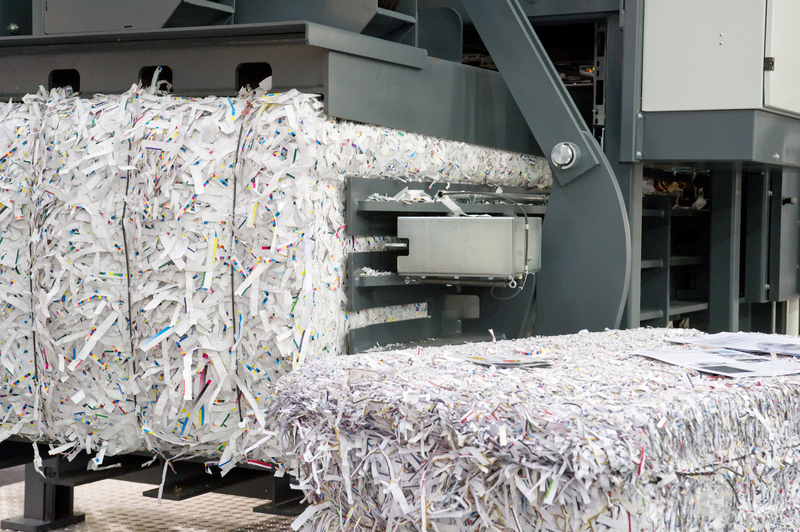
- Cardboard take-back: Partner with local recyclers for scheduled collection; bale on site to reduce hauls and earn rebates.
- Returnable packaging pilots: High-value or repair items can travel in returnable packaging with a QR-driven return flow.
- Internal reuse: Re-use supplier cartons for outbound shipments where brand requirements allow. Add a neat "reused with care" stamp -- customers tend to smile.
Step 6: Optimise Pallets and Transport
Big savings often hide in logistics.
- Review pallet patterns: Use software like TOPS Pro or Cape Pack to increase case count per pallet and reduce outer carton strength needs.
- Trailer cube utilisation: Smaller, denser cases reduce the number of trucks and emissions -- a double win.
- Moisture management: UK weather is... variable. Store board off the floor, avoid drafts, and keep RH ~50% to maintain box strength.
- Certain couriers charge by volume: Right-sizing directly reduces shipping fees. Measurable, obvious, bankable.
Step 7: Engage Customers
End users are part of the system. Bring them in with clarity and a touch of personality.
- Clear recycling instructions: Use OPRL labels; avoid mixed materials that confuse household recycling.
- Smart inserts: Slim, QR-linked care guides instead of thick booklets; printable on-demand for seasonal ranges.
- Design for easy breakdown: Tear strips and minimal tape mean less frustration and cleaner recycling streams.
- Honest messaging: "We reduced cardboard by 28% this year." Customers appreciate the straight talk.
Step 8: Track, Learn, Repeat
Set KPIs, review monthly, iterate quarterly. Waste reduction is a journey, not a one-time tidy-up.
- KPIs to track: g of cardboard per order; packaging cost per order; damage rate; volumetric surcharge incidents; recycling rebate per tonne.
- Dashboards: Share progress in stand-ups. Celebrate wins. It sounds cheesy -- it works.
- Continuous trials: Make it normal to trial a new mailer or board grade each month.
Ever tried clearing a room and found yourself keeping everything "just in case"? Packaging is like that. Keep what works; let the rest go.
Expert Tips
- Use the Waste Hierarchy as a design lens: Prevent, reduce, reuse, recycle -- in that order. Simple, powerful.
- Trust performance testing: Drop tests, vibration, and compression should drive spec choices. Assumptions are expensive.
- Humidity is a stealthy villain: Moisture can weaken corrugate by 20-30%. Manage storage environment year-round.
- Right-size your size range: Too many box sizes increases errors; too few drives waste. Aim for 5-10 core sizes covering 90% of orders.
- Lean into letterbox-friendly designs: UK households love parcels that slide through the door -- fewer failed deliveries, less need for oversize boxes.
- Consider paper-based tapes and labels: Fully recyclable with the box, less contamination at MRFs.
- Switch to water-based coatings: Aqueous coatings add moisture resistance with minimal recycling impact.
- Review "gift" packaging: Keep the delight, trim the bulk; use clever folds and light-touch print.
- Model cost-to-damage trade-offs: A 1% damage increase can wipe out material savings. Keep damage at or below current levels.
- Set a reuse target: e.g., 10% of outbound packaging is reused inbound cartons. Make it a game. People join in.
Truth be told, the best experts are the packers on your floor. Ask them where they see waste. Then listen.
Common Mistakes to Avoid
- Over-specifying board "just to be safe": Costs soar and emissions climb. Test instead of guessing.
- Cutting too hard, too fast: Switching to lighter board without trials can spike damages and returns.
- Ignoring storage conditions: Damp cardboard loses strength; your "strong" box becomes a weak link.
- Using mixed-material designs: Plastic windows, heavy foils, and laminates complicate household recycling.
- Too many sizes: Choice paralysis increases filler use and packing errors.
- No end-of-life plan: If you don't think about baling and take-back, you'll pay for messy collections later.
- Forgetting the courier rules: Surcharges from a single dimension overshoot can wreck savings.
- Poor change management: Rolling out new boxes without training leads to "we used the old one anyway."
- Overbranding every panel: Heavy ink can hinder recycling and adds cost. Restraint is classy.
- No feedback loop: If damages or customer comments aren't fed back, you'll repeat mistakes. Again and again.
Case Study or Real-World Example
Client: UK D2C home fragrance brand based near Leeds. Average order: 3-5 items, mix of glass and tins. Peak seasons: Mother's Day, Christmas.
Challenge: Cardboard usage felt out of control; storeroom stacked to the ceiling; courier surcharges creeping up. Team felt packaging was "fragile by nature," so they kept adding filler -- handfuls of scrunched paper, just in case.
Approach:
- Ran a 3-week audit: baseline of 198 g cardboard per order, 1.9% damage rate, and 14% of orders triggering volumetric surcharges.
- Right-sized into 6 core FEFCO styles, introduced an E/B double-wall just for glass gift sets, downgraded others to high-performance B-flute single-wall.
- Added a dimensioner at the pick-to-pack lane, trained packers with a 2-hour hands-on workshop. Brewed tea, kept it cheerful.
- Switched to water-based ink with 30% print coverage. Introduced tear strips and removed extra tape passes.
- Set up on-site baling and a weekly collection, generating a modest rebate and tidier floor space.
Results after 10 weeks:
- Cardboard per order down to 123 g (a 38% reduction).
- Damage rate steady at 1.8% (slightly better during wet weeks).
- Volumetric surcharges dropped to 5% of orders.
- Material savings ~?0.18 per order; transport savings ~?0.07 per order; annualised saving ~?96,000.
- Customer reviews: "Less packaging, still beautiful."
It was a grey Thursday when the warehouse manager texted us a photo: clear aisles, neatly stacked pallets, no leaning towers of old cartons. "Didn't think we'd get here this fast." Honestly, neither did we -- lovely moment.
Tools, Resources & Recommendations
- Dimensioning systems: CubiScan, Mettler Toledo, or similar laser/vision dimensioners to right-size at speed.
- Box-on-demand machines: Packsize, Panotec, or supplier-operated solutions. Great for variable SKUs and long-tail products.
- Pallet optimisation software: TOPS Pro, Cape Pack -- model case and pallet patterns to reduce outer strength needs.
- LCA tools: SimaPro or openLCA to compare materials and end-of-life impacts using ISO 14040/44 methodology.
- Moisture and compression: Use basic moisture meters and periodic BCT tests from your corrugated supplier.
- Recycling and labelling guidance: OPRL guidelines, WRAP's packaging resources, and your local council's materials list.
- Balers and compactors: Choose a vertical baler sized to your throughput; track bale weights for rebates and reporting.
- Industry bodies to follow: DEFRA (EPR updates), The Packaging Federation, and the Ellen MacArthur Foundation.
Note: We don't take referral fees for any of the above. Choose what fits your operation; pilot before you commit.
Law, Compliance or Industry Standards (UK-focused if applicable)
Packaging rules evolve, and the UK framework is tightening around producer responsibility and recyclability. The following references help you stay compliant while reducing cardboard waste intelligently.
- Producer Responsibility Obligations (Packaging Waste) Regulations 2007 (as amended): Historically required obligated producers to finance a share of recycling via PRNs/PERNs.
- Extended Producer Responsibility (EPR) for Packaging: Rolling out in stages, with data reporting requirements already live for many businesses. Expect modulated fees based on recyclability -- cardboard typically favourable when designed well.
- Waste (England and Wales) Regulations 2011: Enshrine the Waste Hierarchy and require businesses to apply it; also encourage separate collection of recyclables.
- Duty of Care (Environmental Protection Act 1990): You must take all reasonable steps to manage waste responsibly -- including proper storage and transfer notes.
- OPRL labelling: Widely used UK system for clear recycling instructions; boosts correct household disposal.
- ISO 18601-18606 series: Packaging and the environment -- evaluation of minimisation, reuse, and recovery; valuable when proving "designed for sustainability."
- EN 13427/13428 standards: Requirements for packaging minimisation and essential requirements; still a practical benchmark in the UK context.
- FSC/PEFC certification: Chain-of-custody for responsibly sourced fibre.
- Hazardous goods (ADR): If you ship dangerous goods, use certified UN boxes; never downspec without testing.
- Plastic Packaging Tax (PPT): Not cardboard, but relevant if you use plastic films or tapes; incentivises recycled content.
Keep a compliance register with responsibilities and review dates. A light admin lift that saves heavy headaches later.
Checklist
Use this quick checklist to embed smart strategies for reducing cardboard packaging waste across your operation:
- Audit packaging-to-product ratio and volumetric charges for top 50 SKUs.
- Define a target: e.g., reduce cardboard use per order by 25% in 12 months.
- Consolidate to 5-8 core box sizes; map to courier tiers.
- Optimise board grade using ECT/BCT testing; pilot before switching.
- Install dimensioning at pack; enforce automatic box selection rules.
- Standardise pack SOPs; add visual guides and quick training.
- Introduce tear strips and minimize tape passes; prefer paper tape.
- Set up baling with weekly collections; record bale weights for rebates.
- Implement OPRL labels and clear customer instructions.
- Track KPIs: grams per order, damage rate, surcharge rate, cost per order.
- Review quarterly and share wins; adjust targets as you learn.
Conclusion with CTA
Reducing cardboard packaging isn't about stripping away delight. It's about designing smarter -- crafting protective, elegant, and efficient solutions that customers love and warehouses applaud. The hallway fortress of boxes can be a neat little stack. The numbers will move. And, quietly, so will your brand perception.
Start small this week: run a one-hour audit on your top three SKUs. Change one box. Nudge one process. When the first pallet leaves tighter and cleaner, you'll feel it. Momentum.
Get a free quote today and see how much you can save.
Here's to less waste, more care, and parcels that make sense. Feels good, doesn't it?
FAQ
What counts as cardboard packaging waste?
Any corrugated or paperboard materials used to ship, store, or protect goods that are discarded after use -- boxes, mailers, sleeves, dividers, and offcuts from production. In practice, it's the stuff filling your bins, baler, or storeroom corners.
Will reducing cardboard increase product damage?
Not if done properly. Right-sizing reduces product movement, and using data-led ECT/BCT specs maintains protective strength. Always run transit tests or small courier pilots before full rollout to keep damage at or below current levels.
How do I choose the right board grade?
Start with product weight, fragility, and stack height. Use supplier-provided ECT and BCT data, then validate with drop/vibration tests. Many brands safely move from double-wall to high-performance single-wall for lighter SKUs, saving material without risk.
Are on-demand box machines worth it?
For broad catalogues with variable order sizes, yes, often. They reduce void fill, storage space, and volumetric shipping charges. Run a 3-6 month ROI pilot using real order data; include maintenance and board costs to get a fair picture.
What about branded printing -- does it harm recyclability?
Light to moderate, water-based inks are typically fine for UK recycling systems. Avoid heavy laminates, foils, and plastic windows that complicate recycling. Less ink coverage also reduces cost and environmental impact.
Can I reuse inbound supplier cartons for outbound shipments?
Yes, if the carton is sound and suits your product. Inspect for damage or moisture, remove old labels, and add a "reused with care" stamp. For premium orders or gifts, you may prefer new cartons -- a balanced approach works well.
How do I prevent cardboard from weakening in damp weather?
Store off the floor on pallets, keep relative humidity near 50%, avoid drafts near loading bays, and rotate stock first-in, first-out. Ask your supplier about moisture-resistant liners or coatings if you operate in particularly humid zones.
What KPIs should I track to ensure real progress?
Track grams of cardboard per order, packaging cost per order, damage rates, courier volumetric surcharges, bale weights and recycling rebates, and customer satisfaction related to packaging. Review monthly and iterate quarterly.
Do OPRL labels really help?
Yes. Clear, consistent recycling guidance reduces consumer confusion and contamination. OPRL is widely recognised across the UK and a strong complement to your waste-reduction messaging.
Is switching to paper tape worth it?
Usually. Paper tape with starch adhesive is recyclable with the box and often requires fewer passes than plastic tape. It also supports a cleaner unboxing and faster recycling at home.
How many box sizes should I carry?
For most SMEs, 5-8 core sizes cover 80-90% of orders. Too many increases errors and waste; too few forces oversizing. Use a dimensioning study to build your ideal matrix and revisit it twice a year.
How do I calculate volumetric weight savings?
Use your courier's volumetric formula (often L x W x H divided by a set divisor). Model current vs right-sized dimensions for your top SKUs and tally the difference. Even small reductions can push orders into cheaper tiers.
Can I make gift packaging more sustainable without losing the "wow"?
Absolutely. Use elegant die-cuts, textured uncoated board, and minimal ink. Consider a subtle deboss or a small, reusable belly band. You keep the delight while cutting weight and simplifying recycling.
Do I need formal certifications to claim sustainability improvements?
No, but they help. FSC/PEFC for fibre sourcing, ISO 14001 for environmental management, and alignment with ISO 18601-18606 for packaging can strengthen claims. Always keep data and test reports on file for transparency.
What should I do with cardboard offcuts?
Bale them for recycling and track weights for rebates and reporting. If you generate consistent offcut sizes, talk to your converter about redesigning die-cuts to reduce waste at source.
Will reducing cardboard slow down my pack stations?
Usually the opposite. Less decision-making, fewer filler steps, and ergonomic layouts speed throughput. Just ensure you retrain staff, update SOPs, and keep the right tools within easy reach.
How quickly can I see results?
Within 4-8 weeks for low-lift changes (size consolidation, SOPs). Larger shifts like on-demand boxing may show ROI over 3-6 months. Start with a 90-day roadmap and review at day 30, 60, and 90.
Are compostable or "eco" coatings necessary?
Not usually. Plain corrugate is highly recyclable in the UK. If you need moisture resistance, choose light aqueous coatings and verify recyclability with your supplier.
Any quick win for tomorrow?
Yes: audit your top three SKUs, downgrade one oversized box, switch to paper tape, and add OPRL labels. Small steps, big momentum.
Ever wondered why small changes snowball so fast in packaging? Because every box touches your product, your team, your customer, and your bottom line. Change the box, change the story. It's kinda wild -- in the best way.