Business Waste Removal in Bermondsey
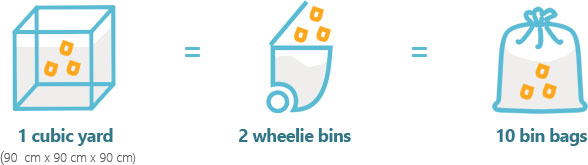
Business waste removal in Bermondsey needs a service that can handle everyday commercial refuse, bulkier discarded items and scheduled clearances without disrupting work. We provide business waste removal for premises that need collections arranged around trading hours, site activity or access limits, with clear sorting and responsible disposal as the work is planned. The service suits offices, retail units, hospitality venues, workshops and shared commercial spaces that want a straightforward way to clear waste and keep operations moving.
Our work covers recurring and one-off collections, from mixed commercial waste to heavier items that need careful handling. Where different waste streams are present, we can separate suitable material for recycling and route non-recyclable items to the right disposal path. Clear communication matters here, because the most efficient collection is usually the one where the type of waste, access and volume are understood in advance. If you are comparing options, start with the waste itself and the timing, then build the collection around those details.
For a quick start, tell us what needs removing, when access is possible and whether the waste is stored inside or outside the premises. A brief description is often enough to begin planning. You can also use the page links below to find related information on pricing, recycling and other service types before you request a quotation.
Commercial collections arranged around your premises
Business waste is not always the same from one site to the next, so a useful collection service has to stay flexible. Some customers need a regular uplift from bins, sacks or stored bags; others need a clear-out after stock changes, refits or staff moves. We can deal with mixed commercial waste where it is suitable for collection, as well as items that are too awkward for ordinary bin services and need separate loading.
The practical value is in reducing disruption. For a shop, that might mean a collection timed before opening or after closing. For offices, it can mean clearing paper, packaging, obsolete equipment and general rubbish without blocking shared areas. For trade settings, it can mean removing waste from a yard, storage room or upper floor with an agreed access plan. If you want to compare service options, the business waste removal service page gives a useful overview of the core offering, while the general waste removal page is helpful for broader clearance needs.
Because commercial sites vary so much, the best quotation starts with a few basics: what type of waste is involved, how much there is, where it is located and whether anything needs special handling. You do not need to overcomplicate this. A list of the main waste types is enough to begin. Photographs, access notes and timing are useful when you have them, but the key point is clarity, not length. When you are ready, request a quotation and we can work from the details you provide.
Office, retail and workplace clearances
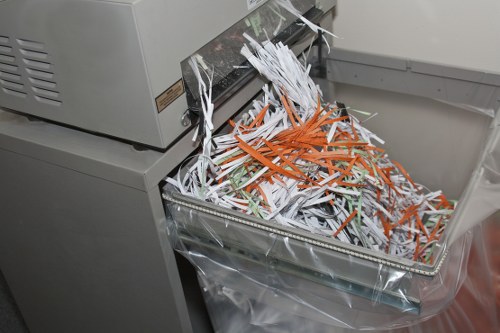
Many business waste collections are really a mix of disposal tasks. An office may need old chairs, archive boxes, broken fixtures and general rubbish taken away together. Retail premises may have display items, packaging and end-of-line stock that need separating from ordinary waste. In workplaces where space is tight, the collection has to be organised so that items are removed efficiently and the remaining area stays usable. That is why the service is best approached as a planned clearance rather than a hurried lift-and-go job.
We can support office and workplace clearances where the waste is suitable for removal, with attention to loading, route planning and sorting. Items such as desks, shelving, seating and general office clutter may be included where they form part of the agreed job. If a site has repeated waste build-up, a regular collection schedule can often be easier to manage than an occasional large clear-out. For related office-specific information, see the office clearance page, and for commercial paper handling there is also confidential shredding if secure document destruction is part of your requirements.
In practice, workplace collections work best when the waste is grouped in advance and access points are left clear. That makes it easier to move items without interrupting staff or customers. If the job involves multiple floors, shared corridors or limited parking, those details should be noted early. Good preparation does not need to be time-consuming; it just needs to be specific enough for the collection to be scheduled properly.
What can be included in a commercial removal
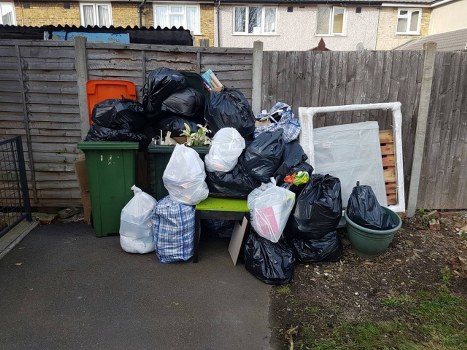
Business waste removal can cover many ordinary commercial items, but it is still important to match the waste to the correct service. Paper, packaging, mixed rubbish, unwanted fittings and some bulky office items may all be suitable where they can be collected safely and lawfully. In some situations, appliances, furniture or specialist waste need separate handling, especially when weight, contamination or disposal rules change the way the job is carried out.
Supported related pages can help customers decide what is most appropriate. If the main issue is unwanted furniture, the furniture disposal page gives a useful route through larger items, while the fridge and appliance removal page suits electrical or refrigeration items that need particular care. For mixed bulky household-style contents that have found their way into storage or back-office areas, furniture clearance may also be relevant, depending on what is actually being removed.
It is sensible to separate ordinary rubbish from anything that might need special consideration. That keeps the quotation realistic and reduces the chance of delaying the collection later. If in doubt, identify the items by type rather than guessing whether they are all treated the same. A short written list is often enough, and if the waste includes heavier or awkward objects, mention that at the same time so the removal can be planned properly.
Scheduling, access and waste preparation
Commercial waste collections become easier when the site is ready for loading. That does not mean a full tidy-up; it means making sure the waste is grouped sensibly and that the collection route is usable. For example, sacks can be gathered together, boxes can be stacked safely and large items can be placed where they are easy to reach. If the premises have loading bays, stairs, lifts or limited parking, those details should be made clear before the job is booked.
Two simple pieces of information usually make the biggest difference: the type of waste and the access conditions. If either changes, the collection plan may need to change as well. That is especially true where waste is stored in a basement, on a top floor or in a shared building where timing matters. A site note about entry points, keys, gates or reception arrangements can save time and help the job run smoothly, but it should stay factual and brief.
For customers who like to check practical arrangements in advance, the book online page is useful as a starting point, while the pricing and quotes page explains how quotations are approached across different job types. If you are ready to move forward, request a quotation with the waste details, location within the premises and preferred time window. That gives the best basis for a sensible response.
Bulky items, fixtures and specialist waste streams
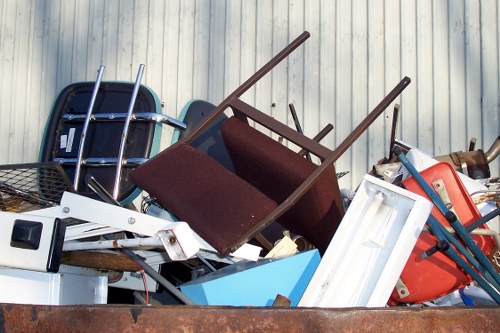
Not every business disposal job is about black bags and general rubbish. Premises often need bulky fixtures, worn furniture, old display units, damaged storage and redundant equipment removed as part of a wider clear-out. These items can take longer to load and may need a more careful route out of the building, particularly where there are narrow corridors, shared entrances or restricted access. A well-planned collection reduces the chance of disruption to staff or customers.
Some waste streams require extra attention because they are not handled in the same way as ordinary mixed waste. Refrigeration units, mattresses, sofas and certain other items can involve different disposal considerations, so it is sensible to use the most relevant service page rather than folding everything into one general request. The mattress and sofa disposal page is useful for upholstered items, and hazardous waste disposal is the more appropriate route where the waste is potentially harmful or regulated.
When there are several categories of waste on one site, it helps to separate what can go together from what needs its own handling. That way the collection can stay orderly and the quotation can reflect the real scope. If you are not sure where one item belongs, describe it plainly rather than using a broad label. We can then consider the right approach and keep the job within the relevant disposal route.
Recycling, sorting and disposal approach
Good business waste removal should do more than simply take items away. Where suitable, material should be sorted so that recyclable items are separated from residual waste before disposal. That can apply to cardboard, packaging, paper, metal, some plastics and other common commercial materials, depending on condition and contamination. The aim is to keep the process practical while still giving attention to responsible waste handling.
If sustainability is part of your decision-making, it is worth understanding the disposal route before the collection takes place. The recycling and sustainability page explains the general approach to material recovery, while the what can go in a skip page is useful for comparing what can and cannot be mixed with other waste streams. Although business waste removal is not the same as skip hire, the same basic principle applies: the more accurately the waste is identified, the better the outcome can be managed.
It is also important to be realistic about contaminated or mixed items. Once waste is soaked, dirty or blended with unsuitable material, its options for recycling may be limited. That is one reason why it helps to keep segregated waste separate at source where possible. A small amount of preparation can make a meaningful difference to disposal efficiency and keeps the collection aligned with the actual contents of the load.
About Bermondsey
Bermondsey is a district in the London Borough of Southwark, in south-east London, with a long history shaped by riverside trade, industry and later regeneration. Its position close to the Thames gave it a strong connection to warehousing, leather working and food processing, especially around the nineteenth and early twentieth centuries, when the area developed a dense pattern of streets, yards and commercial buildings. That older grain still influences parts of the district today, particularly where former industrial spaces sit alongside newer developments. Bermondsey is also closely associated with the riverfront, with routes linking toward London Bridge, Rotherhithe and Tower Bridge, and with the pattern of streets that extend inland from the Thames corridor.
The area includes a mixture of built forms and public spaces. Bermondsey Street is one of the best-known historic routes, with a character shaped by converted warehouses, smaller businesses, galleries, food and hospitality uses. Nearby, Southwark Park provides a large open space with tree-lined paths, sports facilities and ornamental planting, giving the district a broad green counterpoint to the tighter street pattern elsewhere. The Thames Path runs close by, reflecting the continuing importance of the river edge in the district’s layout and sense of place. Bermondsey is also linked with cultural life through markets, local venues and the wider Southwark network of civic and community spaces, while modern transport connections make it part of a busy inner-London setting. The result is an area where historic fabric, residential growth and commercial activity sit side by side in a compact urban landscape.
Why a planned collection helps commercial premises
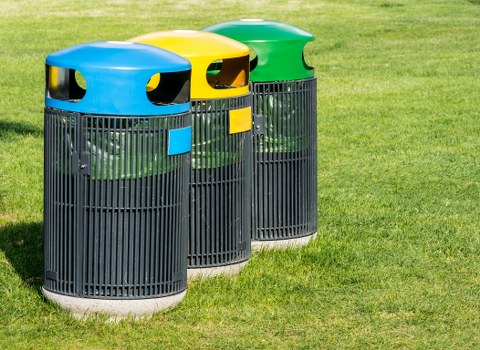
Commercial waste removal works best when it is treated as part of site management rather than as an afterthought. A planned collection can help keep back rooms, yards, stock areas and shared access points usable. It also reduces the chance that unwanted material will spread into work zones or become a burden for staff. For businesses that deal with regular turnover of packaging, fittings or equipment, the value lies in keeping waste moving before it becomes a storage problem.
Different premises need different handling. A small office may need a simple clear-out of outdated items. A retail site may need waste collected at a quiet point in the day. A workshop may need heavier loading and more attention to access. This is why it is worth matching the collection to the actual operation rather than assuming one standard arrangement will suit every property. If the waste is mixed, bulky or spread across several rooms, say so early and keep the description plain.
If you are ready to discuss the job, use the page information that best fits the waste type and then request a quotation. For sites with straightforward requirements, that can be quick to organise; for more involved clearances, a little detail upfront makes the response more useful. Request a quotation when you have the essentials together, and we can help shape the collection around the work that needs doing.
Business waste removal for different commercial settings
Our business waste removal service is suitable for a range of commercial environments where rubbish, bulky items or unwanted fittings need to be collected responsibly. Offices may need obsolete equipment and general clutter removed; shops may need packaging, fixtures and display items cleared; hospitality sites may need storage areas emptied of mixed waste. The important point is that the removal is tailored to the setting so that the premises can keep functioning while the work is carried out.
If your requirements extend beyond ordinary business waste, the site also includes pages for related services. The garage clearance and loft clearance pages are useful where storage areas contain mixed contents, while home clearance and house clearance provide further detail for domestic-scale clearances. These pages are not a substitute for business waste removal, but they can help if the items to be removed are stored in a way that overlaps with general clearance work.
A sensible enquiry is usually brief: the waste type, the approximate amount, the location within the site and the time period that works best. If there are stairs, narrow entrances or shared access, include that as well. That gives the quotation a workable basis and avoids unnecessary back-and-forth. If you would like to move ahead, send the key details and ask for a quotation that matches the actual job.